

Chemical Peeling: A Professional Treatment for Healthier-Looking Skin
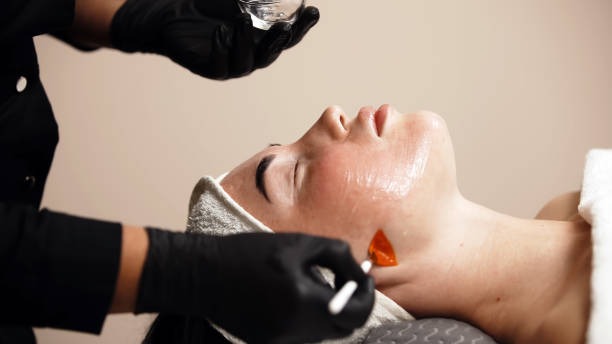
Healthy skin is supported by consistent skincare and appropriate professional treatments. Chemical peeling is a widely performed aesthetic procedure that helps improve skin texture and appearance by removing damaged outer skin layers and encouraging natural skin renewal. Depending on an individual’s skin condition and treatment goals, different types of chemical peels may be recommended by qualified medical professionals.
A personalised consultation helps determine the most suitable treatment based on skin type and individual concerns.
What Is Chemical Peeling?
Chemical peeling is a professional skin treatment that uses specially formulated chemical solutions to exfoliate the outermost layers of the skin. As the treated skin gradually sheds, new skin cells emerge, contributing to a smoother and more even complexion.
Individuals interested in chemical peeling can learn about different peel types designed to address a variety of skin concerns. The choice of treatment depends on factors such as skin sensitivity, medical history, and the desired treatment outcome.
A qualified practitioner will assess the skin before recommending an appropriate treatment plan.
Potential Benefits of Chemical Peeling
Depending on the depth and type of peel, chemical peeling may help improve uneven skin texture, acne marks, mild pigmentation, enlarged pores, fine lines, and signs of sun damage. By promoting controlled skin exfoliation, the treatment supports the natural skin renewal process.
A personalised chemical peeling treatment plan may involve multiple sessions, depending on the individual’s skin condition and treatment objectives. Treatment results and recovery times vary according to the strength of the peel and each person’s skin response.
Following professional advice helps support optimal treatment outcomes.
Preparing for Treatment
Before undergoing a chemical peel, patients should discuss their medical history, skincare routine, medications, and previous aesthetic treatments with a qualified practitioner. A thorough assessment helps determine whether the procedure is appropriate and identifies any necessary precautions.
Following pre-treatment instructions can help prepare the skin and minimise potential side effects.
Aftercare and Recovery
Proper aftercare is essential following a chemical peel. Patients are generally advised to use gentle skincare products, apply broad-spectrum sunscreen daily, avoid excessive sun exposure, and refrain from picking or peeling the treated skin during recovery.
Adhering to post-treatment recommendations supports skin healing and helps maintain the benefits of the procedure.
Conclusion
Chemical peeling is a professional aesthetic treatment that may help improve skin texture, tone, and overall appearance. By consulting a qualified practitioner, following a personalised treatment plan, and practising appropriate aftercare, individuals can support healthy skin renewal while working towards their aesthetic goals.


